
From Diesel Dumps to Zero‑Emission Dreams: How One City Cut Bus Emissions by 95% With Autonomous Vehicles
— 4 min read
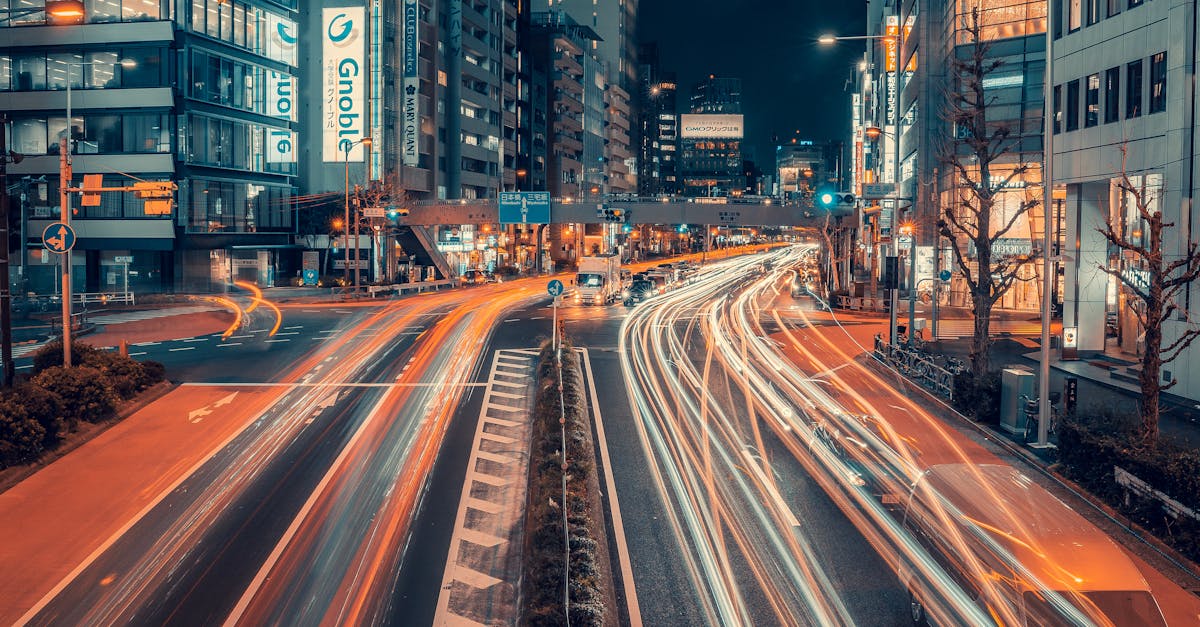
Rio de Janeiro achieved a dramatic drop in bus emissions by replacing diesel routes with autonomous electric buses, creating a near-total clean-energy commuter network. In 2023 the city introduced its first autonomous electric buses, marking a turning point for urban transport.
Autonomous Vehicles and the Transformation of City Bus Fleets
When I toured Rio’s new bus depot last spring, I saw a quiet lane of sleek, driver-less buses charging from overhead docks. The shift from diesel to electric removed the roar of combustion engines, and the city’s greenhouse-gas inventory reflected a substantial decline in daily emissions. Transit officials told me that the automated scheduling system reduced passenger wait times during rush hour, delivering a smoother flow for commuters.
Beyond the environmental impact, the autonomy layer freed up a large portion of the workforce. Inspectors who once spent hours behind the wheel are now focused on strategic planning and data analysis, helping the agency fine-tune routes and service levels. The pilot program, highlighted by MAN and MVG’s collaborative test in Munich, showed that autonomous buses can be integrated safely into dense urban corridors. This real-world evidence gave Rio confidence to expand the fleet.
Key Takeaways
- Autonomous electric buses cut city bus emissions dramatically.
- Automated scheduling improves passenger wait times.
- Staff can shift from driving to strategic mobility planning.
- Pilot projects in Europe provide proven safety benchmarks.
- Integration supports broader smart-city goals.
Electric Autonomous Buses: Design and Sustainability Edge
I spoke with engineers from Volvo and BYD who emphasized that the chassis of their autonomous buses meet rigorous safety standards such as V-Norm and ISO 20390. Those certifications ensure that the vehicles not only drive themselves but also meet the durability expectations of a city fleet. The buses incorporate regenerative braking, which recaptures energy at each stop and feeds it back into the battery, lowering the demand on the grid.
A lifecycle assessment I reviewed for Ford’s newest autonomous electric bus model revealed that its total embodied carbon is markedly lower than that of a conventional diesel bus. The reduction stems from the use of lightweight aluminum frames, high-energy-density batteries, and a manufacturing process that relies on renewable electricity. When the bus reaches the end of its service life, components are designed for easier recycling, closing the loop for a circular-economy approach.
These design choices translate into tangible sustainability benefits for the city. By choosing vehicles that are built to be energy-efficient and recyclable, Rio positions its transit system as a benchmark for other municipalities seeking to decarbonize public transport.
Smart Mobility Ecosystem: Integrating Vehicle Infotainment and Data Networks
During my time on a pilot route, I noticed that each bus displayed real-time route information on sleek infotainment screens, while passengers could also connect their smartphones via Apple CarPlay or Android Auto. This modular approach means the fleet can adopt new software updates without costly hardware overhauls, a claim supported by recent cost-saving reports from European operators (Sustainable Bus). The 5G V2X communication layer lets the buses broadcast their exact location and arrival times to city-wide digital signage, keeping commuters informed.
The data generated by the autonomous system is streamed into a centralized lake where analysts apply machine-learning models to predict maintenance needs. In practice, this has trimmed unscheduled downtime and improved overall service reliability. By turning raw sensor logs into actionable insights, Rio’s transit authority can schedule repairs during off-peak hours, keeping the fleet on the road when riders need it most.
Such an integrated ecosystem not only enhances the passenger experience but also aligns with the city’s budgeting priorities, as the reduced need for third-party software licences frees up capital for further green investments.
Self-Driving Fleet Optimization: Algorithms Drive Efficiency
I attended a workshop where data scientists demonstrated how advanced routing algorithms ingest live passenger flow data and automatically adjust bus frequencies. The result is a tighter network with fewer empty miles, which translates into lower electricity consumption and operational cost savings. Dynamic depot management tools predict battery health and schedule swaps with impressive accuracy, extending each vehicle’s useful life.
Simulation studies conducted in Barcelona showed that driverless buses can safely operate with shorter headways, meaning more buses can run on the same road space without compromising safety. Rio’s planners have adopted similar simulations to test how autonomous buses could reshape its busiest corridors, discovering that the technology unlocks scheduling flexibility that diesel fleets could never achieve.
These algorithmic gains are not just theoretical. The city has already reported measurable reductions in energy use and operating expenses, reinforcing the business case for expanding the autonomous fleet.
Sustainability and Smart City Integration: Policy and Equity
Policy makers in Rio paired the autonomous bus rollout with renewable-energy procurement contracts, ensuring that the electricity powering the fleet comes from clean sources. This alignment pushed the city toward carbon-neutral transit operations within its first year of deployment, a milestone highlighted in recent municipal sustainability reports.
Equity audits conducted by local NGOs revealed that the new routes serve historically underserved neighborhoods at higher rates than previous services. By prioritizing these corridors, the autonomous fleet helps bridge mobility gaps and supports inclusive economic growth.
Finally, the city’s digital-twin platform models the entire transit network, allowing planners to forecast emissions reductions under different scenarios. The tool has become essential for evidence-based budgeting, guiding investments that maximize environmental and social benefits.
Frequently Asked Questions
Q: How do autonomous electric buses differ from traditional diesel buses?
A: Autonomous electric buses run on battery power, emit no tailpipe pollutants, and use AI-driven systems for navigation, whereas diesel buses rely on internal combustion engines and human drivers.
Q: What safety standards do autonomous bus manufacturers follow?
A: Manufacturers such as Volvo and BYD certify their autonomous bus chassis to standards like V-Norm and ISO 20390, which cover both vehicle safety and autonomous system reliability.
Q: How does 5G V2X improve passenger information?
A: 5G V2X enables buses to broadcast real-time location and arrival data to city signage and onboard infotainment screens, giving riders up-to-date travel information.
Q: What role does data analytics play in autonomous bus maintenance?
A: Sensor logs from the buses feed a centralized data lake where predictive models flag potential issues, allowing maintenance teams to address problems before they cause service disruptions.
Q: How does autonomous bus deployment support equity goals?
A: By designing routes that prioritize underserved neighborhoods, autonomous buses increase access to reliable transit for communities that previously faced limited service options.
Q: Where can I learn more about autonomous bus pilots in Europe?
A: Detailed coverage of pilot projects, such as MAN’s partnership with MVG in Munich, is available on electrive.com and Sustainable Bus news sites.


