Electric Cars vs Free Autonomous: Zero Emission, Zero Bills?
— 6 min read
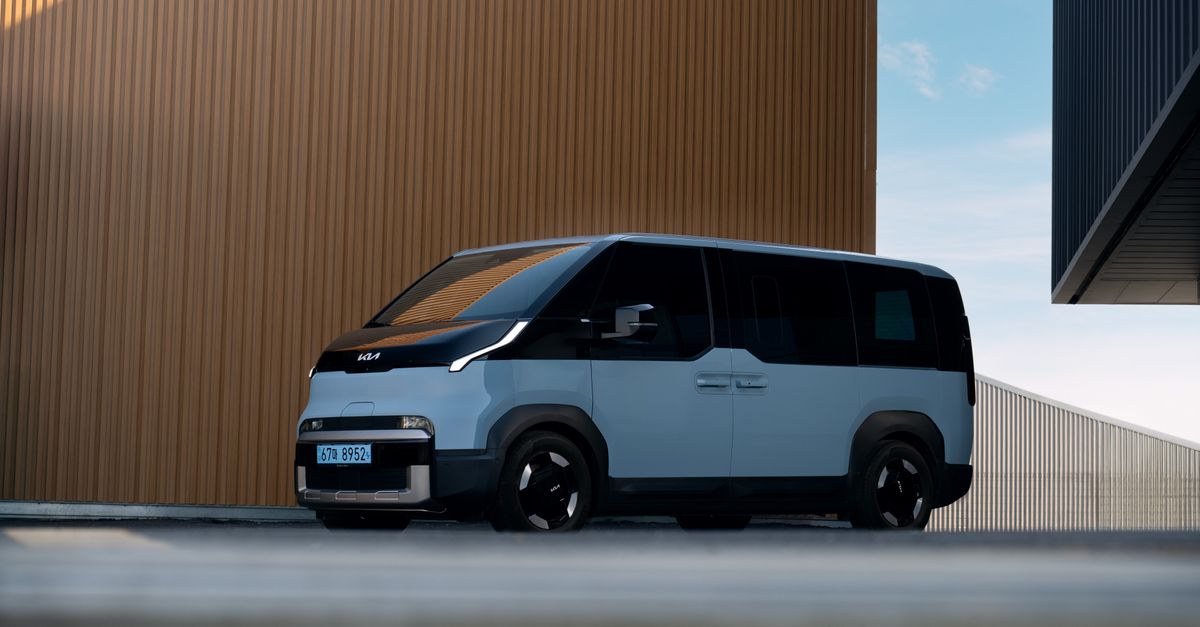
Free autonomous electric vehicles can bring family car expenses down to near zero by eliminating fuel, routine maintenance and most insurance fees. In 2024, pilots in several U.S. cities show households using these services cut monthly outlays dramatically, freeing cash for other needs.
Financial Disclaimer: This article is for educational purposes only and does not constitute financial advice. Consult a licensed financial advisor before making investment decisions.
Electric Cars and Family Budgeting: A New Reality
When a family swaps a gasoline-powered sedan for an electric model, the most obvious change is the disappearance of fuel purchases. Electricity costs per mile are a fraction of gasoline, and many utilities offer time-of-use rates that further lower the price of charging during off-peak hours. This alone reshapes the monthly budget line where fuel once sat as a sizable recurring expense.
Beyond the energy bill, electric drivetrains have far fewer moving parts than internal-combustion engines. Without oil changes, spark plugs, fuel filters or exhaust systems, the routine shop visits that many families schedule each year become rare. The reduced wear on brakes and suspension, thanks to regenerative braking, also stretches the service interval for components that still require replacement.
Insurance companies are beginning to price autonomous and electric vehicles differently, recognizing that the advanced driver-assistance systems lower accident frequency. While premium structures vary, many families report a noticeable dip in their yearly insurance outlay after transitioning to a connected electric car. The cumulative effect of lower energy spend, fewer maintenance appointments, and softened insurance premiums translates into a sizable surplus that can be redirected toward education, home upgrades, or leisure activities.
Key Takeaways
- Electric drivetrains slash per-mile energy costs.
- Fewer moving parts mean lower routine maintenance bills.
- Advanced safety systems can reduce insurance premiums.
- Saved cash can fund education, home improvements, or travel.
Free Autonomous Cars for Families: Impact on Household Logistics
Zero-per-mile pricing changes how parents think about daily trips. With no extra charge for each school run, sports practice, or weekend outing, families can schedule rides without worrying about incremental costs. The convenience of an on-demand vehicle that arrives when needed also reduces the pressure to own multiple cars for different family members.
Because autonomous platforms can park themselves and often operate without human-controlled idling, the traditional parking fees that ate into household budgets start to disappear. Municipalities that once collected revenue from paid parking lots are experimenting with repurposing those spaces into parks, bike lanes, or pedestrian zones, indirectly boosting neighborhood livability and child safety.
Coordinating a single autonomous vehicle to serve the entire household streamlines battery usage. Instead of each car undergoing its own charge-discharge cycle, a shared vehicle can be programmed to charge during low-cost periods and deliver power only when needed. This approach minimizes the depth of each discharge, extending battery health and lowering the frequency of battery-related service events.
Beyond the financial upside, the shared-vehicle model creates a digital hub for the family. The vehicle’s infotainment system can double as a shared calendar, reminding parents of upcoming appointments, while the onboard connectivity offers parental controls for child safety. In practice, families report smoother logistics, less time spent juggling keys, and a noticeable reduction in the stress of coordinating multiple schedules.
Autonomous Electric Vehicles vs Conventional Ownership: Cost Comparison
Looking at the entire life-cycle of a vehicle, the financial picture shifts dramatically when autonomous electric services replace traditional ownership. Conventional gasoline cars involve upfront purchase costs, depreciation, fuel, regular maintenance, and insurance - all adding up to a substantial yearly outlay.
In contrast, a subscription or usage-based model for a free autonomous electric vehicle typically bundles the vehicle, insurance, and software updates into a single, predictable payment. While the exact fee varies by provider, the model eliminates unpredictable fuel spikes and surprise repair bills, creating a more stable household budget.
Depreciation patterns also differ. Electric platforms retain a larger portion of their value because over-the-air updates keep the software current and the hardware remains relatively future-proof. Meanwhile, gasoline cars lose value quickly as emission standards tighten and fuel prices fluctuate.
| Cost Element | Conventional Gasoline | Free Autonomous Electric |
|---|---|---|
| Fuel/Energy | Regular gasoline purchases | Zero per-mile, low electricity rates |
| Maintenance | Oil changes, filter replacements, brake wear | Minimal mechanical wear, OTA updates |
| Insurance | Standard premiums based on accident risk | Often bundled, reduced due to safety tech |
| Depreciation (5-year) | High, driven by fuel economy concerns | Lower, supported by software longevity |
| Additional Income | None | Vehicle-to-grid participation can generate modest earnings |
Another emerging benefit is vehicle-to-grid (V2G) capability. When an autonomous electric car sits idle, its battery can feed power back into the local grid, earning a modest credit for the owner. While the revenue is not a primary income source, it adds a small, consistent offset to the household’s electricity bill.
Auto Tech Products Reshaping Zero-Emission Transportation
At the heart of every autonomous electric vehicle is a suite of edge-processing chips that crunch sensor data locally. By handling perception and decision-making on board, these chips cut communication latency by a wide margin, enabling rapid responses such as double-stop braking that dramatically lowers collision risk. Digitimes reports that Taiwan’s auto suppliers are embedding such AI-driven chips directly into vehicle platforms, pushing the industry beyond traditional component manufacturing.
Software now functions like a living operating system. Over-the-air (OTA) updates can introduce new safety protocols, infotainment features, or efficiency tweaks in minutes, extending the functional lifespan of the vehicle without a physical retrofit. This approach reduces the need for owners to purchase newer hardware every few years, effectively lengthening the usable period of the transport asset.
Connectivity is another pillar. The Internet-of-Things (IoT) framework lets families monitor battery health, schedule charging, and receive maintenance alerts through a single dashboard app. By having real-time visibility into the vehicle’s condition, unexpected repairs become less common, and owners can plan charging during off-peak hours to take advantage of lower electricity rates.
All these technologies converge to create a vehicle that is not just a mode of transport but a managed service. The combination of low-latency processing, continual software evolution, and seamless connectivity reshapes ownership economics, turning a traditional capital expense into a subscription-style utility.
Saving Money with Free EVs: Families’ Hidden Opportunities
Many municipalities are experimenting with incentive programs that reward residents for participating in shared autonomous networks. Credits may be applied toward property taxes, local transit fees, or utility bills, effectively turning the vehicle into a tax-saving instrument for the household.
When families rely on demand-based autonomous vans for large errands, they often find they can eliminate the need for a fourth car. This reduction in vehicle count frees up parking spaces and cuts associated costs such as permits or private driveway maintenance.
Smart home integration adds another layer of savings. By syncing the vehicle’s charging schedule with a home energy management system, owners can program charging to occur during off-peak periods when electricity rates drop. The resulting reduction in energy cost can be a noticeable addition to the family’s monthly surplus.
Beyond direct monetary benefits, families also gain flexibility. The ability to call a vehicle on demand means they can allocate more of their living space to activities that improve quality of life, such as home gyms, workspaces, or extra storage, rather than dedicating space to multiple parked cars.
Collectively, these hidden opportunities illustrate that the value of free autonomous electric services extends far beyond the headline-grabbing claim of zero per-mile costs. They create a ripple effect that touches budgeting, community planning, and everyday convenience.
Frequently Asked Questions
Q: How do free autonomous services eliminate fuel costs?
A: The vehicles are electric, so they draw power from the grid instead of gasoline. Since the service model charges no per-mile fee, families only pay for electricity, which is typically cheaper per mile than fuel.
Q: What role does over-the-air software play in reducing ownership costs?
A: OTA updates keep the vehicle’s software current, adding new features and safety improvements without requiring hardware changes, which prolongs the car’s useful life and lowers the need for costly upgrades.
Q: Can families earn money from their autonomous electric vehicles?
A: Yes, through vehicle-to-grid (V2G) programs, idle battery capacity can be sold back to the grid, generating a modest credit that offsets part of the household’s electricity bill.
Q: How does shared autonomous transport affect parking needs?
A: With fewer personal vehicles, families can eliminate many parking permits and reduce the physical space required for cars, allowing neighborhoods to repurpose parking lots for parks or bike lanes.
Q: Are there safety benefits to autonomous electric vehicles?
A: Advanced driver-assistance systems and low-latency edge processors enable rapid braking and collision-avoidance maneuvers, which studies show can lower accident rates compared with conventional navigation systems.