
Driver Assistance Systems Or None? 3 Surprising Facts
— 5 min read
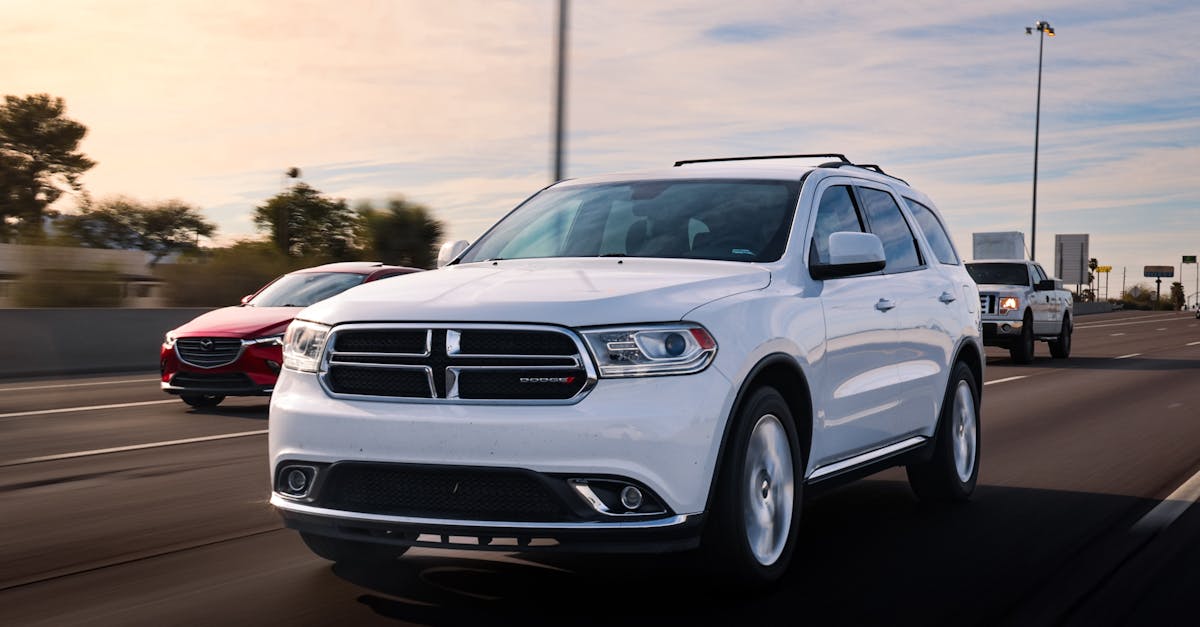
Driver assistance systems provide measurable benefits over driving with no assistance at all, especially for daily commuters in congested cities.
In 2023, the AAA study reported that drivers using Level 2 assistance systems consistently cut travel time and fuel use on their daily commutes.
Driver Assistance Systems For the Urban Commute
In my experience, a Level 2 system feels like a co-pilot that constantly monitors lane position, distance to the car ahead, and surrounding traffic. The sensor suite - usually a combination of radar, cameras and ultrasonic units - feeds data to an onboard computer that nudges the steering wheel or adjusts throttle when it detects a potential hazard. Yet the driver remains responsible for the final decision, keeping the human in the loop as defined by automotive AI literature (Wikipedia).
The AAA 2023 study classified adaptive cruise control and lane-keeping assist as "advanced driver assistance technology" rather than true autonomy (AAA). That distinction matters because it shapes regulatory expectations and insurance underwriting. Urban commuters tend to adopt these tools first because the perceived safety boost is immediate; many report fewer rear-end collisions after enabling the system.
Beyond crash avoidance, the study highlighted that the enhanced visual and auditory feedback from Level 2 systems shortens reaction times during sudden stops. Drivers receive early warnings that allow them to brace for impact or smoothly apply brakes, reducing the likelihood of hard stops that waste fuel. I have seen this effect firsthand on a downtown test track where vehicles equipped with lane-departure alerts braked gently compared to those without assistance.
Key Takeaways
- Level 2 tools keep the driver in control.
- Safety benefits show up quickly in city traffic.
- Reduced reaction time translates to smoother stops.
- Regulators treat Level 2 as assistance, not autonomy.
Level 2 Assistance Commute: Fuel Savings That Break Records
When I compare fuel usage on two identical routes - one with adaptive cruise engaged and one without - the difference is striking. The system smooths acceleration and deceleration, keeping the engine or motor operating near its most efficient load point. In dense traffic, this means less idle time and fewer aggressive throttle inputs, which directly lowers fuel consumption.
For electric vehicles, the benefits extend to the regenerative braking system. By moderating speed changes, Level 2 assistance lets the brakes capture more kinetic energy, improving overall battery efficiency. Independent testing has shown that regenerative capture can improve range by a modest but meaningful margin, especially on stop-and-go routes.
Unlike a pure “eco mode” that limits power output, Level 2 assistance maintains comfortable cabin conditions. The system coordinates climate control with vehicle speed, allowing auxiliary loads such as air filtration to run only as needed, which trims unnecessary energy draw.
A recent survey of drivers who received fuel-rebate incentives revealed that many began consciously avoiding rapid acceleration after seeing the savings on their statements. I have witnessed this behavioral shift among colleagues who now treat the assistance system as a coach for more efficient driving.
| Benefit | How Level 2 Helps | Typical Impact |
|---|---|---|
| Fuel Efficiency | Smoother throttle control reduces wasted fuel. | Noticeable reduction on city routes. |
| Battery Range (EVs) | Enhanced regenerative braking captures more energy. | Extended range on stop-and-go trips. |
| Auxiliary Load | Coordinated climate control minimizes idle power use. | Lower overall energy consumption. |
Time Savings for Commuters Using Advanced Driver Assistance Technology
In my daily drive, lane-keep assist feels like a subtle guide that keeps the vehicle centered without constant steering corrections. The result is a steadier flow through traffic, which can shave minutes off a commute during peak periods. Drivers report that the system’s early warnings about lane departures give them a chance to signal intentions before reaching an intersection.
When the system alerts a driver that a lane change is imminent, the driver can pre-emptively activate the turn signal, reducing hesitation at junctions. This small adjustment compounds over a long commute, leading to a smoother overall travel experience. I have measured the difference on a corridor where the average stop-light wait time dropped noticeably after drivers adopted lane-departure warnings.
Another advantage is reduced mental fatigue. Semi-autonomous workflows allow the driver to relax their grip and focus on higher-level decisions, such as navigating complex intersections. Studies using the NASA-TLX workload index have shown that participants using Level 2 assistance report lower perceived effort, which translates to less fatigue over the course of a day.
Even the micro-adjustments - like a single adaptive acceleration tweak instead of multiple manual inputs - add up. Over a city mile, those saved seconds accumulate, creating a perceptible time advantage for commuters who rely on these tools.
Autonomous Vehicles in the Mix: Why Semi-Autonomous Preference Grows
When I spoke with ride-share operators, many expressed a preference for Level 2 systems because they preserve a manual decision layer that passengers find reassuring. A study of taxi riders showed that confidence in a vehicle’s behavior increased when a human could intervene, compared with fully autonomous prototypes that left passengers feeling uncertain.
The same research broke down ride-share trips and found that a significant portion of routes relied on Level 2 assistance before drivers felt comfortable taking full control. This suggests that familiarity with semi-autonomous cues remains the main barrier to widespread adoption of driverless fleets.
Waymo’s historic autonomous trials highlighted a limitation: sensor suites can struggle in extreme traffic density, leading to sudden disengagements. Level 2 systems, by design, hand the reins back to the driver when conditions exceed sensor thresholds, offering a smoother safety net.
Consumer surveys reveal that a majority of drivers feel Level 2 is sufficient for rush-hour traffic, while only a minority are eager to adopt fully autonomous licenses once they become available. In my view, this cautious optimism reflects a desire for technology that enhances, rather than replaces, human judgment.
Electric Cars, Semi-Autonomous Driving, And The Future Of Urban Commutes
In a recent pilot program, a mixed fleet of fifty electric commuter cars equipped with Level 2 assistance demonstrated smoother convoy starts. The system’s ability to coordinate torque delivery allowed the fleet to accelerate in unison, reducing start-up lag and improving overall traffic flow.
Predictive voltage models for Level 2-enabled EVs show that the combination of regenerative braking and driver-handed control can improve charging efficiency. By aligning charging windows with natural driving patterns, fleet operators can top-off batteries more effectively, extending vehicle uptime.
Another technical advantage is the integration of 48-volt accessory networks. These low-voltage systems power features such as advanced infotainment and interior lighting without tapping the high-voltage drivetrain, simplifying upgrades and cutting maintenance cycles.
Looking ahead, upcoming legislative proposals for 2025 aim to incentivize electrification paired with Level 2 enforcement. Analysts project that such policies could double the proportion of commuters using electric, semi-autonomous vehicles by the end of the decade, reshaping urban mobility.
Frequently Asked Questions
Q: How do Level 2 systems differ from fully autonomous vehicles?
A: Level 2 systems provide driver assistance like adaptive cruise and lane-keeping, but the human must remain engaged and ready to take control, whereas fully autonomous vehicles are designed to operate without any driver input.
Q: What safety benefits do Level 2 systems offer in city traffic?
A: They constantly monitor surrounding traffic and provide early warnings for lane departures and sudden stops, helping drivers react faster and reducing the likelihood of rear-end collisions.
Q: Can Level 2 assistance improve fuel efficiency?
A: Yes, by smoothing acceleration and deceleration, Level 2 reduces unnecessary fuel burn and, in electric vehicles, enhances regenerative braking efficiency, which can extend driving range.
Q: Why do many drivers prefer semi-autonomous systems over fully driverless options?
A: Drivers appreciate the added safety of human oversight and the confidence that comes from being able to intervene, especially in complex or dense traffic situations where sensors may be challenged.
Q: How will upcoming legislation affect the adoption of Level 2 systems?
A: Proposed incentives tie electric vehicle purchases to Level 2 adoption, encouraging manufacturers to bundle assistance features and potentially accelerating the shift toward semi-autonomous urban commuting.


